


Extreme pressure additives (or EP additives) are designed to act when metal surfaces are subjected to high loads and the base oil film is not sufficient. Unlike anti-wear additives (which form a continuous boundary film) or friction modifiers (which create a sliding monomolecular layer), EP compounds chemically react with the metal at points of extreme contact to create a solid protective layer that prevents direct metal-to-metal contact under intense pressure. Think of them as a “defensive clot”: when pressure spikes and the oil is squeezed out, these additives activate, forming an inorganic coating—a microscopic armor—right where it is most needed.
Maria Fabián

At Lumar Química, we have begun the process of calculating our carbon footprint—a key tool for understanding and managing our CO₂ emissions. This step allows us to move toward a more efficient and responsible operation, identifying opportunities for improvement across our activities.
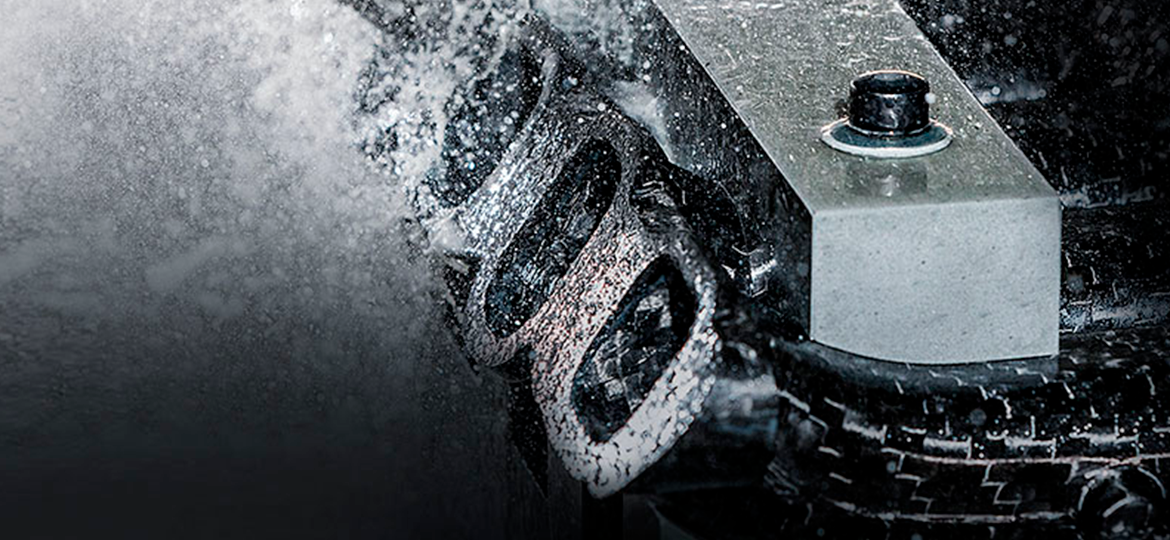
In the world of industrial lubrication, not all oils are created equal. Polyalkylene glycols (PAGs) represent a significant advancement over conventional lubricants. Their advanced synthetic composition—based on ethylene, propylene, and butylene oxides—grants them exceptional tribological and thermal properties, making them the ideal choice for demanding processes.

When temperatures drop and frost covers the morning, it is essential to have solutions that protect against the extreme cold. Antifreeze is like a shield against winter, ensuring that everything from heating systems to industrial applications keeps running smoothly.
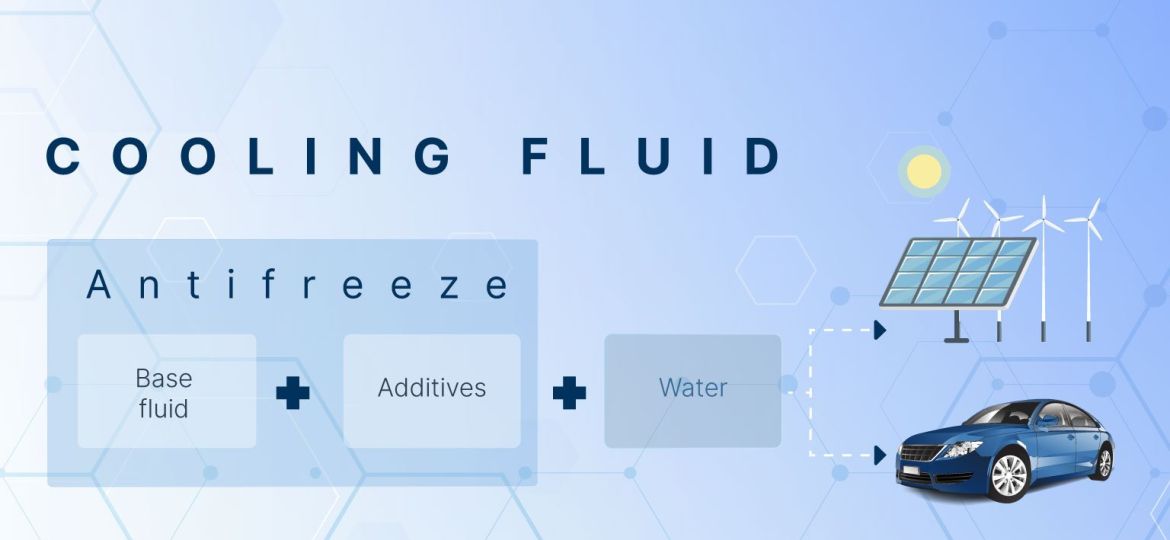
Antifreeze is a product that when diluted in water, results in a coolant whose primary function is to protect a system by dissipating heat to keep the system at the optimum working temperature. This is achieved by lowering the freezing point of the base chosen for cooling/heat removal from the system.

Sulphur-containing additives are used in lubricating oils, hydraulic fluids, metalworking fluids and greases to provide extreme pressure (EP) and anti-wear (AW) properties. Their activity depends largely on the sulphur content and the type of sulphur compound.